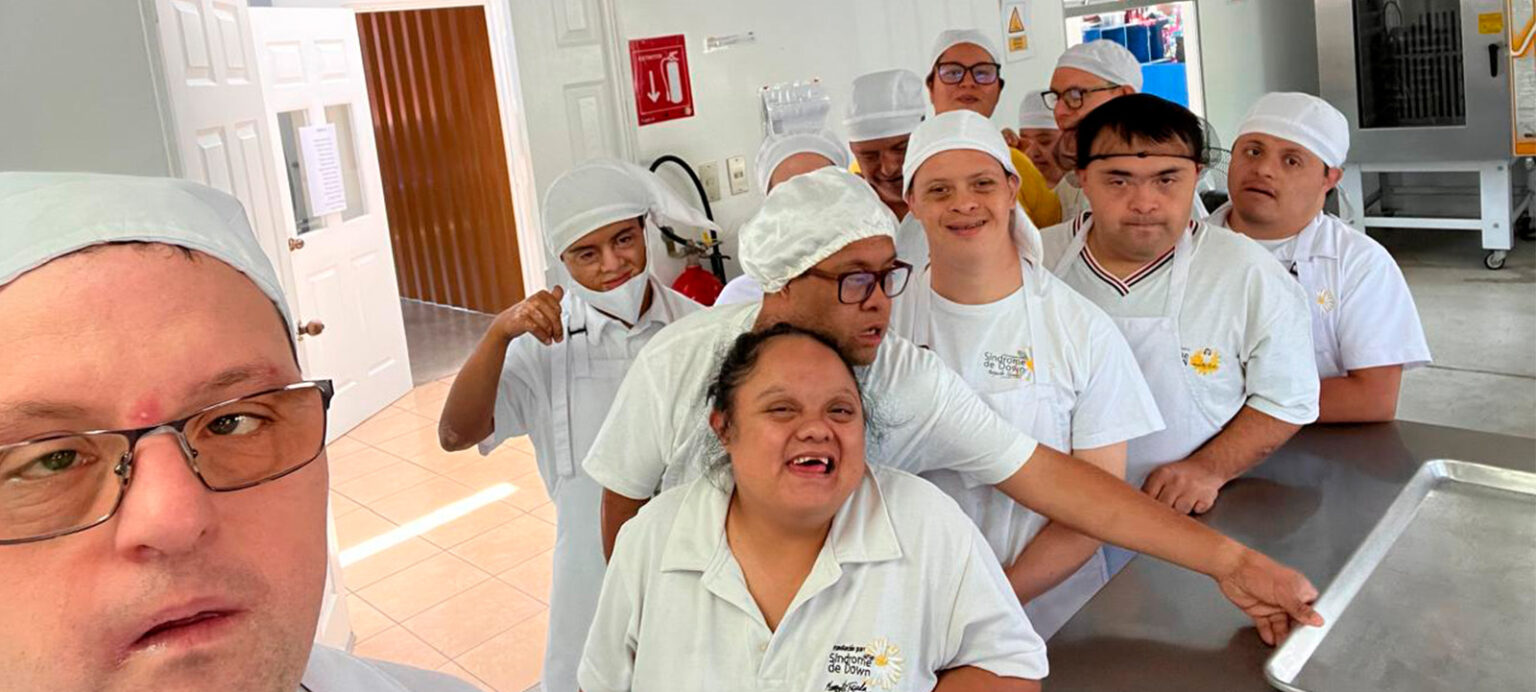
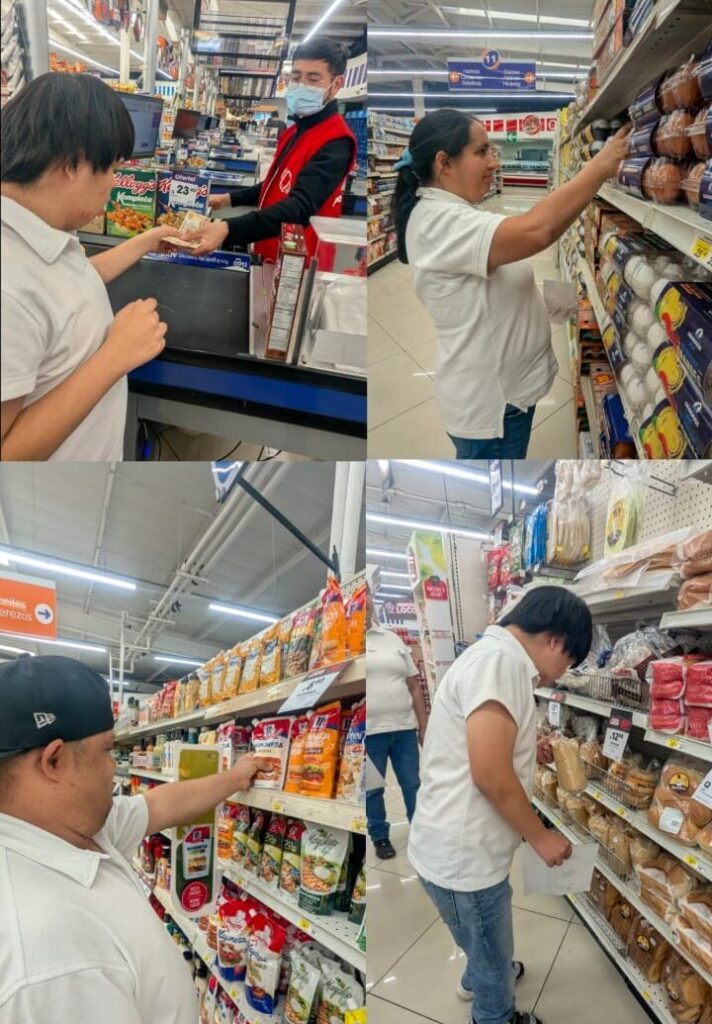
Labor inclusion is one of the most important steps toward a fair, diverse, and equitable society. For young people with Down syndrome, gaining access to employment not only means earning an income, but also feeling useful, valued, and actively involved in the community. Preparing them for this process requires guidance, training, and above all, confidence in their abilities.
The first step begins at home. From childhood, it is essential that children with Down syndrome learn to carry out everyday tasks on their own—getting dressed, preparing their backpack, organizing their belongings, or participating in family activities. These actions strengthen responsibility, a sense of duty, and independence, all of which are key skills for any job.
School is a key space for the development of social and cognitive skills. Inclusive educational programs allow young people to gain knowledge and prepare for the stages that follow.
In the workplace, knowing how to communicate and work as part of a team is just as important as completing tasks. That’s why it is helpful to practice social skills such as greeting others, listening, asking for help, or expressing ideas clearly. Group activities, role-playing, and mock job interviews can be very effective tools.

Young people with Down syndrome benefit greatly from having clear structures and well-defined routines. Teaching them to arrive on time, follow a schedule, respect rules, and remain consistent will help them adapt more easily to future employment. It is also advisable to practice functional skills such as using public transportation or managing their time.
The supported employment model consists of accompanying the individual throughout their job placement process through a job coach or workplace tutor, who provides guidance, training, and ongoing support on the job. This accompaniment facilitates adaptation for both the young person and the work team, promoting successful and sustainable integration.
Labor inclusion also depends on the environment. It is essential to inform and raise awareness among companies about the abilities and contributions that people with Down syndrome can offer. Employers who embrace inclusion discover committed, responsible workers with a remarkable human quality that enriches the work environment.
Every step forward, no matter how small it may seem, deserves to be celebrated. Recognizing the effort and accomplishments of young people strengthens their self-esteem and motivates them to keep growing. Believing in them is the first step for them to believe in themselves.
Preparing young people with Down syndrome for the workforce is not an act of charity, but an investment in human talent and in a more inclusive society. When given the opportunity, they demonstrate commitment, joy, and a deep sense of responsibility. Because true inclusion not only opens doors — it also changes hearts and transforms communities.
share