
At the beginning of the 20th century, the life expectancy of a person with Down syndrome was barely 9 years. Today, thanks to medical, educational, and social advances, it exceeds 60 years. This change reflects greater awareness, attention, and commitment to their holistic development. Research shows that, with early intervention and opportunities to actively participate in society, people with Down syndrome can develop intellectual, social, and emotional skills that strengthen their autonomy and self-esteem.
The program promotes social and labor inclusion, creating spaces to strengthen interpersonal relationships, enjoy leisure and free time activities, and access job opportunities, thus contributing to a full adulthood with quality and dignity. Develop and maintain functional skills and abilities, according to the stage of adult life in which they find themselves, that allow them to be independent in the environments in which they live, with the necessary support.
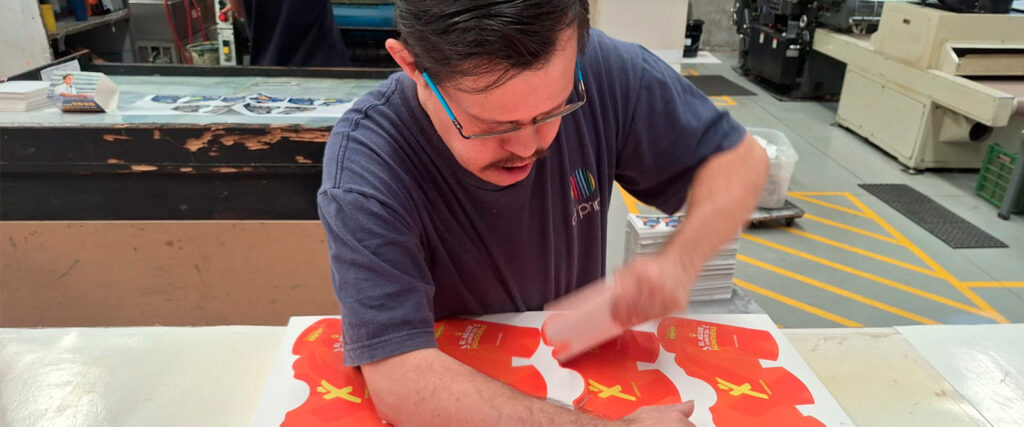
Develop and implement social and work skills to be included in different environments.
Strengthen social, communication, autonomy, independence and work skills that allow them to function inside and outside the foundation.
Promote an adult life with dignity and quality.
To provide opportunities to develop according to their interests and abilities.
This program is designed for individuals with Down syndrome, over 22 years of age, who possess the necessary social, emotional, and communication skills to live autonomously and independently. Its purpose is to help individuals with Down syndrome: become more independent and autonomous; maintain the skills and abilities they have acquired throughout their lives; participate and contribute productively to society like any other citizen; and become fulfilled adults with opportunities and responsibilities commensurate with their abilities. The Full Development in Adulthood program offers several pathways to opportunities that young adults can access based on their individual characteristics. These pathways are described below:
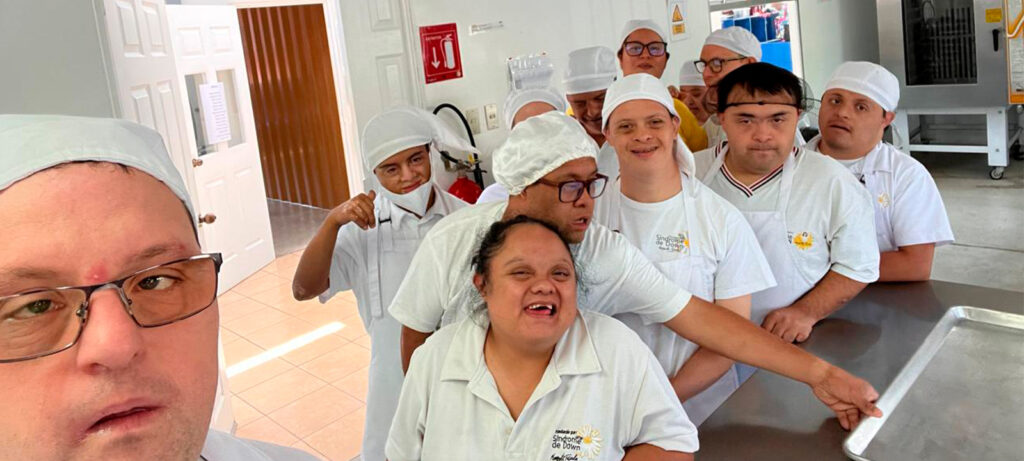
SHELTERED WORKSHOP: A sheltered workshop is a place where job skills are developed under special conditions and with the constant presence of special education teachers who supervise the workers’ tasks.
Young adults with Down syndrome work in workshops such as bakery, canning, general services, car wash, carpentry, and horticulture. It was created to give adults with Down syndrome the opportunity to work and receive compensation for their labor. The sheltered workshops are open to all young adults who have been trained and are ready to begin working in the VICA Program. Participants in this program are individuals who, due to family circumstances, limited skills, economic situation, lack of independence, or mobility issues, are unable to work in a mainstream company.
ADULT LIFE
The Margarita Tejada Foundation promotes the ADULT LIFE Program, firmly believing that staying active, useful, and connected to their environment contributes to a longer, healthier life. This program ensures that adults with Down syndrome continue strengthening their abilities, participating in social spaces, and contributing enthusiastically to their communities, helping delay the effects of aging. Adults with Down syndrome experience earlier aging, occurring 10 to 20 years sooner than in the general population. For this reason, it is essential to encourage an active, meaningful, and socially integrated lifestyle during this stage.
The program aims to address the diverse needs of people with Down syndrome during adulthood and older age, providing them with opportunities for comprehensive development. It also seeks to offer emotional support tools that allow them to function appropriately in different environments, maintain and preserve the skills and abilities they have acquired over the years, and guide families so they can respond to the needs that arise during this phase of life.