
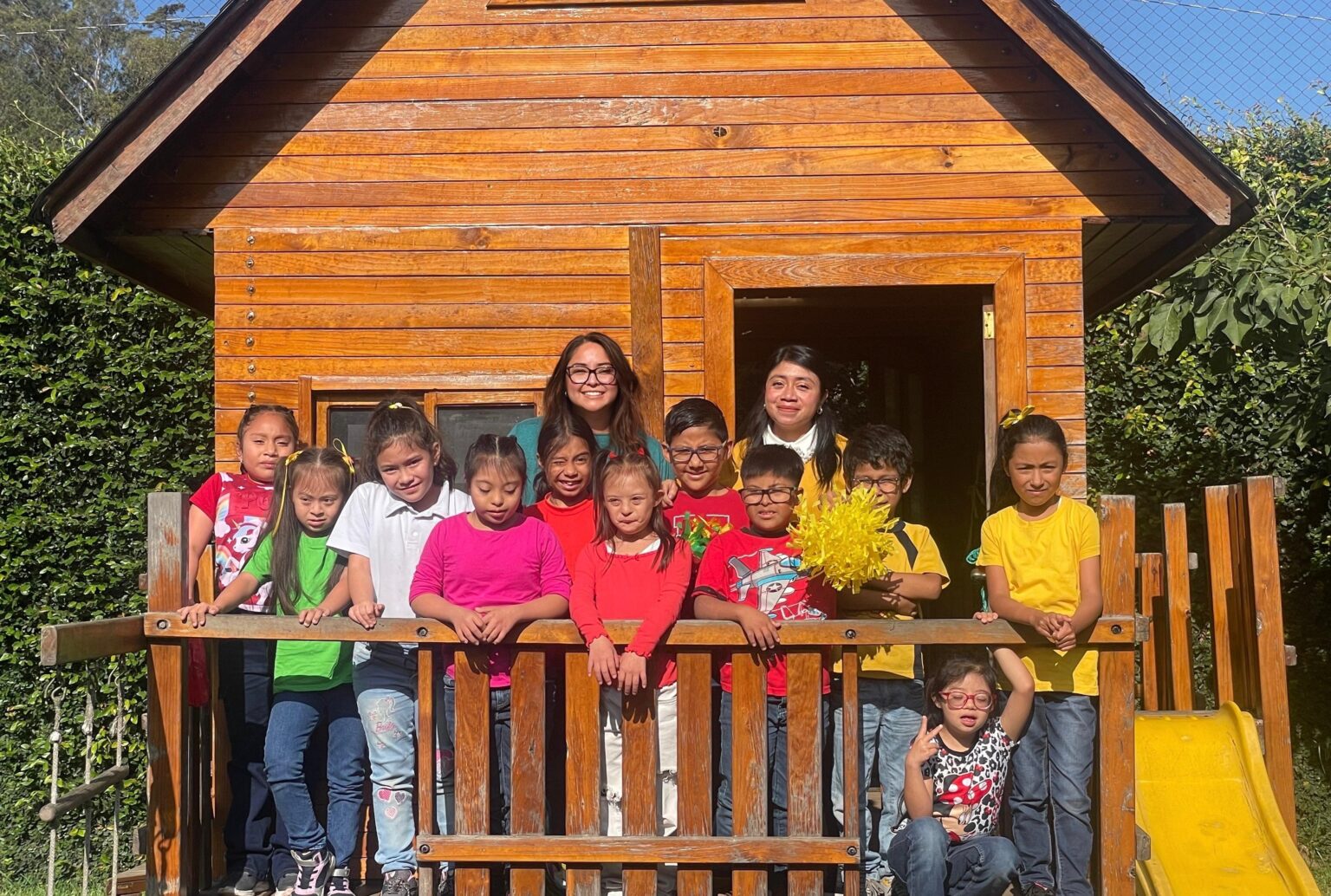
Supporting a child with Down syndrome means accompanying them in their development with love, patience, and the right tools to help them reach their full potential. Every child is unique and learns at their own pace, so the main goal is to strengthen their autonomy, self-esteem, and overall well-being.
The first step is to accept and celebrate the child’s individuality. Expressions of affection, motivation, and recognition of their achievements — no matter how small — strengthen their confidence. Family acceptance is the foundation of their emotional and social development.
Early stimulation is essential during the first years of life.
Through games, sensory exercises, and guided activities, areas such as language, motor skills, and cognition are strengthened. Participating in specialized programs or working with occupational therapists, physical therapists, and speech therapists can make a significant difference.
The first step is to accept and celebrate the child’s individuality. Expressions of affection, encouragement, and recognition of their achievements — no matter how small — strengthen their confidence. Family acceptance is the foundation of their entire emotional and social development.
School inclusion allows them to learn alongside other children, develop social skills, and feel part of the community.
Teachers and parents must work together to adapt materials, set realistic goals, and foster a respectful and participatory environment.
From an early age, it is essential for children with Down syndrome to learn to do things on their own: getting dressed, eating, organizing their toys, and other daily tasks. These habits strengthen their independence and prepare them for a fuller, more self-sufficient life.
Every child has unique abilities: some excel in art, others in music, sports, or social skills. Discovering and nurturing what they are passionate about not only stimulates their development but also fills them with pride and motivation.
The family, school, and community environment should be spaces of respect and empathy. Social inclusion does not only happen at school, but also in recreational, cultural, and sports activities where the child can interact, learn, and enjoy.
Progress may be slower, but every step counts. Celebrating achievements and maintaining a positive attitude helps the child grow with confidence and joy. Perseverance and belief in their abilities are the driving forces behind their development.
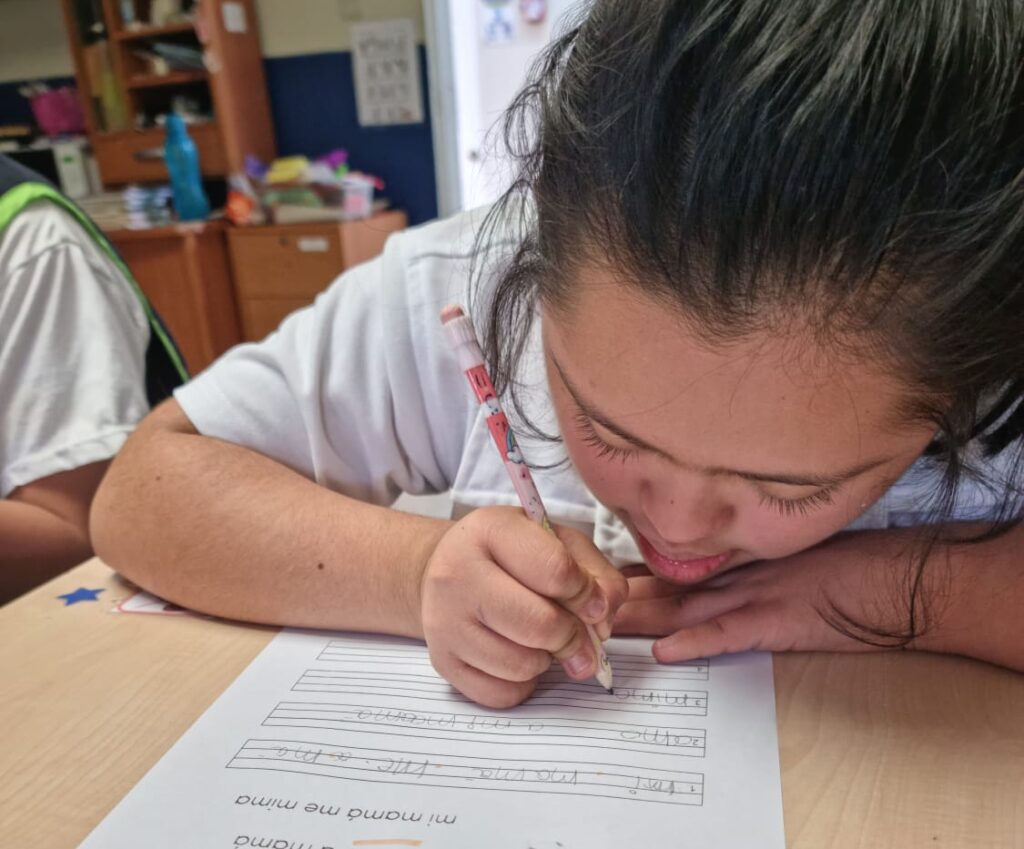
Supporting a child with Down syndrome means believing in them. With love, education, and opportunities, they can achieve far more than society imagines. Real change begins when we see them for who they truly are: children with dreams, talents, and immense potential.
share