Down syndrome is a genetic condition that occurs naturally and has been present in all cultures and countries around the world. It is not a disease, but a chromosomal variation that occurs at conception. People with this condition have an extra copy of chromosome 21, which is why it is also known as Trisomy 21.
A genetic condition, not a disease
Every human being has 46 chromosomes arranged in 23 pairs, which contain all the genetic information that defines our traits. In the case of Down syndrome, there is a full or partial extra copy of chromosome 21, which leads to differences in physical development, cognition, and learning.
However, it is important to emphasize that it is not a disease and therefore does not require a “cure,” but rather appropriate support that allows each person to fully develop their skills and potential.
Common Characteristics
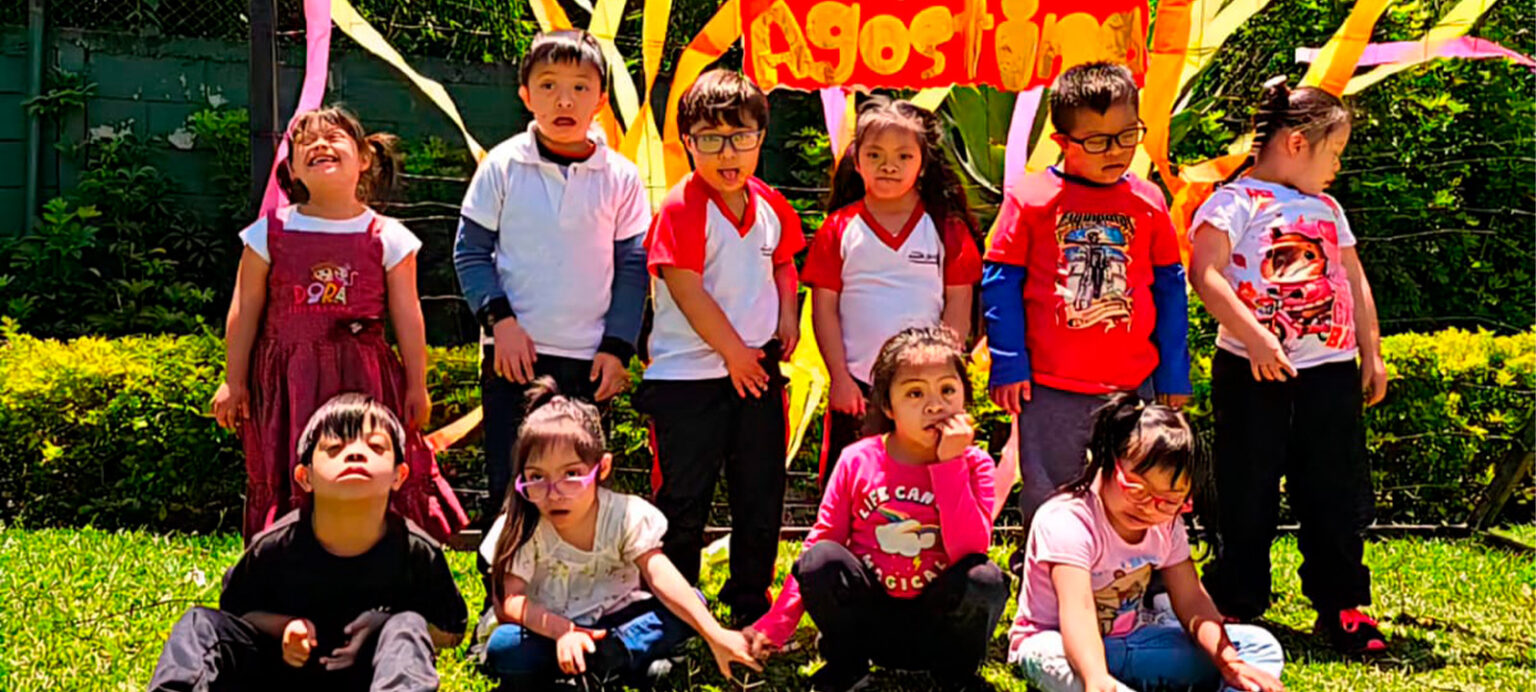
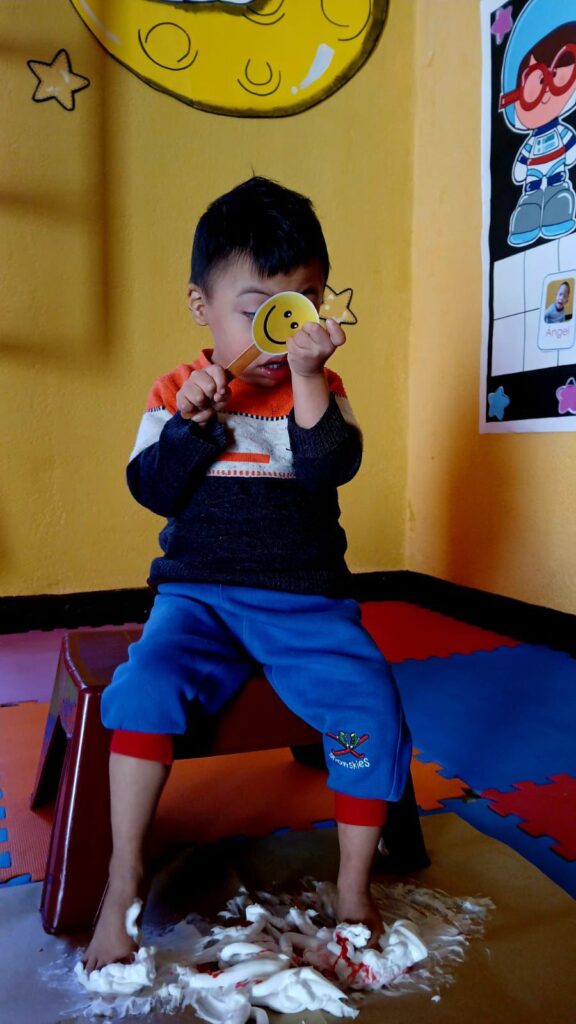
Although each individual is unique, people with Down syndrome may share some physical traits, such as almond-shaped eyes, low muscle tone, or shorter stature. They may also experience slower development in areas like language or motor skills. However, these aspects do not define their abilities, as with early stimulation, inclusive education, and family and social support, they can achieve high levels of independence and active participation in society.
Inclusion and Rights
The recognition of human rights and equal opportunities has transformed the perception of Down syndrome. Inclusive education, supported employment, autonomy, and participation in cultural and social life are fundamental pillars for a more just society. Promoting inclusion is not just about providing a space, but about valuing the abilities, talents, and contributions of people with Down syndrome.